
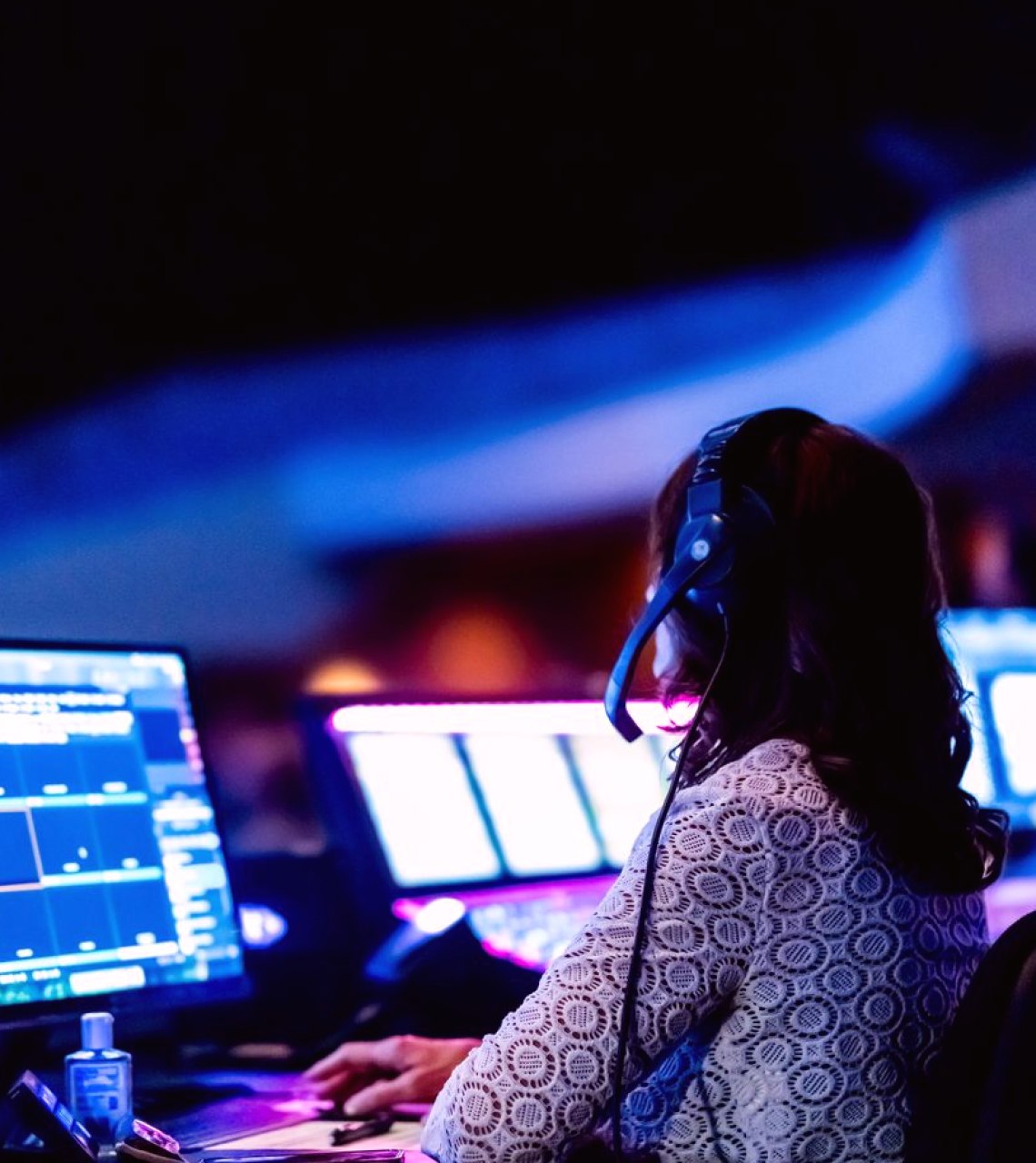
Why these weeks suit training
Most studios we speak to sit in the same position at this time of year. The summer schedule has wound down, the winter run of programmes, live events and seasonal specials is close, and the crew is still reasonably free. Once the busy weeks begin, nobody can spare a person for a morning, let alone a day, and training slips to the new year without anyone deciding that it should. I run our workshops, so I have a bias, but the argument is practical rather than commercial. A crew that has revisited signal flow, intercom habits and lighting safety before the heavy schedule makes fewer small errors when the pressure arrives. Those errors are rarely dramatic. They are a talkback channel left open, a camera cable run across a walkway, a mixer preset nobody remembers changing.
There is also the matter of staff changes. Autumn is when freelancers and new starters join for the winter, and a short session gives them the same working vocabulary as the people who have been in the gallery for years. That shared language saves more time on a live day than any single piece of equipment.
Choosing between a half day and a full day
A half-day session suits a single subject taken properly: for example audio synchronisation and timecode, or the basics of rigging and colour temperature on a small set. It fits into a morning before an afternoon recording and leaves the crew able to return to normal work. Four hours is enough to explain a topic, work through it on your own equipment and leave time for questions. A full day suits a crew that needs to see how the parts connect. We might begin in the control room with routing and monitoring, move to the floor for cameras and lighting, and finish with a rehearsal-style run where people swap roles. The longer format costs more in time away from other work, but it is the better choice for a team that is new together or about to take on a bigger format.
Neither format needs the whole building. Where a studio is small, we can work with six to eight people around the existing desk, using the programmes and signal paths they already operate.
What we cover on the day
The content is built from what your crew actually does, not from a fixed syllabus. In a typical session I would draw on camera set-up and care, lens and mount choices, intercom discipline, vision mixing habits, microphone placement, delay and lip-sync checks, and basic lighting plans with attention to power load and safe rigging. We spend as much time on operating practice as on equipment. Knowing which button does what matters less than knowing what to check before going live, how to hand over between shifts, and how to report a fault so that the next person can act on it. Those habits are what keep a gallery calm when something goes wrong.
Colleagues join me where a subject needs them. Daniel Pritchard can take the section on camera systems and signal routing, while I cover lighting and audio. We agree the split with you beforehand so the day does not drift.
- Camera care, lenses, mounts and cabling
- Intercom, talkback and gallery communication
- Audio delay, lip-sync and timecode checks
- Lighting plans, colour temperature and power
- Pre-live checks and fault reporting
Getting ready before the session
A little preparation makes the day far more useful. Tell us what your crew works on most, which problems have come up in recent weeks, and who will attend. A list of the equipment in the gallery and on the floor, with any recent changes, lets us pitch the material at the right level instead of spending the first hour finding out. It also helps to choose a date when the studio is free of recordings, so people are not called away mid-exercise. If the room is in use all week, an evening or a quiet day on the schedule is better than a distracted morning. We can run the session in your studio, which is usually best because people learn on the kit they will use.
Finally, ask the crew for questions in advance. Written down in the week before, they are often more honest than those raised in front of colleagues, and they give me a clear sense of what to emphasise.
- Equipment list and recent changes
- Recent faults or near misses
- Names and roles of attendees
- A quiet date with no recordings
Fitting training around a winter schedule
The practical difficulty is rarely whether training is worthwhile but where it fits. Look at the calendar from now to the end of the year and mark the weeks that are already full: seasonal programmes, live events, outside broadcasts. Then look at what remains, including the days between productions when the studio is dark, and treat one of those as protected time. Splitting a crew across two shorter sessions can also work, so the gallery is never left empty. One group attends in the morning of a half day, the other in a separate slot, and each takes the same material. It means repeating myself, which I do not mind, and it keeps both rooms covered.
Where freelancers are brought in for specific shows, it is worth arranging a short briefing session for them as part of the booking, rather than hoping they pick things up on the day.
What a crew should take away
The measure of a good session is what changes afterwards. People should leave with a short written list of checks for their own studio, a clearer idea of who handles what in the gallery, and the confidence to raise a concern before it becomes a delay. I would rather a crew remember three habits than forty settings.
We send a written summary after each workshop, covering the points discussed and the questions that came up, so the content can be passed to anyone who missed the day. Bring it out again in the new year and see whether the habits have held. If they have slipped, a shorter refresher is usually enough.
Training is easiest to arrange when the studio is not yet at full stretch, and these weeks offer that. Decide on the format, choose a quiet date, gather your questions and tell us about your crew. If you would like to talk it through, write to us through the contact page and Thomas Willoughby will help you settle the scope before anything is confirmed.
Amelia Fox
Lighting and Audio SpecialistAmelia covers stage lighting plans and audio synchronisation. She also runs our training workshops.