
Starting from the crew's own equipment
Before any workshop I ask for a short list of the equipment the crew actually uses: the mixer model, the camera bodies, the intercom, the playout system and how they are cabled together. Generic training on generic kit rarely sticks, because people go back to a desk that looks different from the one in the slides. A list of ten or fifteen items is enough for me to plan the day around what they will touch on Monday morning.
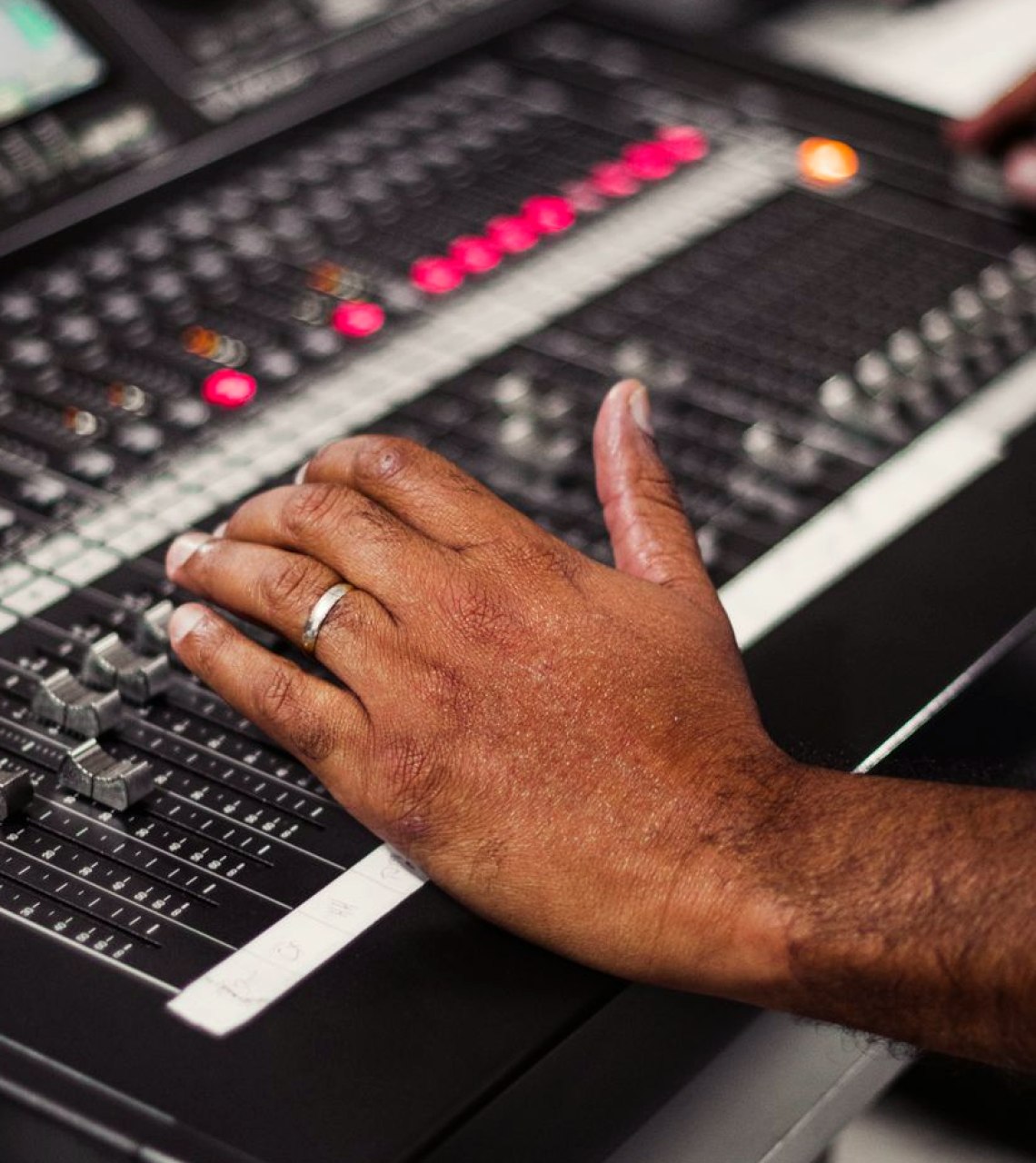
Where the studio allows it, we run the session in the studio or control room itself. Where it does not, I bring a compact rig: a small mixer, two microphones, a handful of cables, a test signal source and a pair of monitors. It is not impressive to look at, but it lets every person place a hand on a fader, a connector or a delay setting rather than watch someone else do it.
- A short equipment list from the client
- A walk through the signal path on paper first
- A compact practice rig when the studio is unavailable
The printed materials we hand out
Each attendee receives a printed pack, and I keep it deliberately plain. It contains a one-page signal flow diagram drawn for their studio, a laminated card of common faults with the first thing to check for each, and a sheet of blank lines for their own notes. People write on paper in a workshop more readily than they type, and the card tends to end up pinned beside the desk.
I avoid long reference manuals. The manufacturer's documentation already exists and is better kept in its original form. What crews lack is a short, ordered sequence: if the picture is fine but the sound is late, look here first, then here. We write those sequences together during the day, so the card reflects how their own system behaves and not a textbook version of it.
- A signal flow diagram for their studio
- A laminated first-checks fault card
- Space for notes, not a thick manual
Hands-on exercises in place of long lectures
Most of the day is practical. A typical morning might begin with ten minutes explaining why audio and video drift apart, followed by an exercise where the group deliberately adds delay to a microphone feed and then measures and corrects it using a clapper or a test tone. Hearing a half-second error is far more convincing than being told it exists.
We repeat that pattern for lighting and cameras: a short explanation, then a task. Colour temperature is shown by mixing two sources on a white card and watching the camera struggle. Exposure is learned by changing it and seeing the waveform respond. Each task is small enough to finish in a quarter of an hour, so nobody is left behind and there is always time to repeat it with a different person at the controls.
- Short explanation first, task second
- Measurement with tones, clappers and waveforms
- Roles swapped so everyone has a turn
Half-day or full-day: choosing the format
A half-day suits a single subject: lip-sync and timecode, say, or the basics of a compact control room. It fits before a live programme or between recording blocks, and it works well for a crew of up to about eight. We cover one topic properly and leave time for questions about their own faults.
A full day allows two or three subjects and a longer practical session at the end where the crew runs a mock programme from start to finish, with me watching and noting what happens. That final run is where the learning shows. Mistakes appear in a safe setting, and we discuss them together afterwards. The choice depends on how much the crew already knows and how much time they can spare from air or recording.
- Half-day: one subject, small group
- Full day: two or three subjects and a mock programme
- Format agreed at the quotation stage
How we check that the learning stays put
At the close I ask each person to write down the three things they will do differently in the next week. It takes five minutes and gives a concrete record. I keep a copy of the group's combined list, and if the client wishes, I send a short written summary of what we covered and which fault sequences we agreed on.
There is no test and no certificate to hand out. The measure is more modest: whether the crew can find a delay problem faster, whether a lighting change gets made with less guesswork, whether the next person who joins the team can be shown the card and follow it. Those are things a studio manager can observe for themselves in the weeks that follow.
- Three personal actions written down at the end
- An optional written summary of the day
- No certificate, only practical follow-through
The tools behind our workshops are ordinary on purpose: the crew's own equipment, a small practice rig, a printed card and a lot of repetition. None of it is elaborate, yet together it gives a team something they can use the following morning. If you are weighing up a session for your studio, we can talk through the format and what to prepare when you get in touch.
Amelia Fox
Lighting and Audio SpecialistAmelia covers stage lighting plans and audio synchronisation. She also runs our training workshops.